Our Partners





























Functional Features of Custom Ziplock Bags
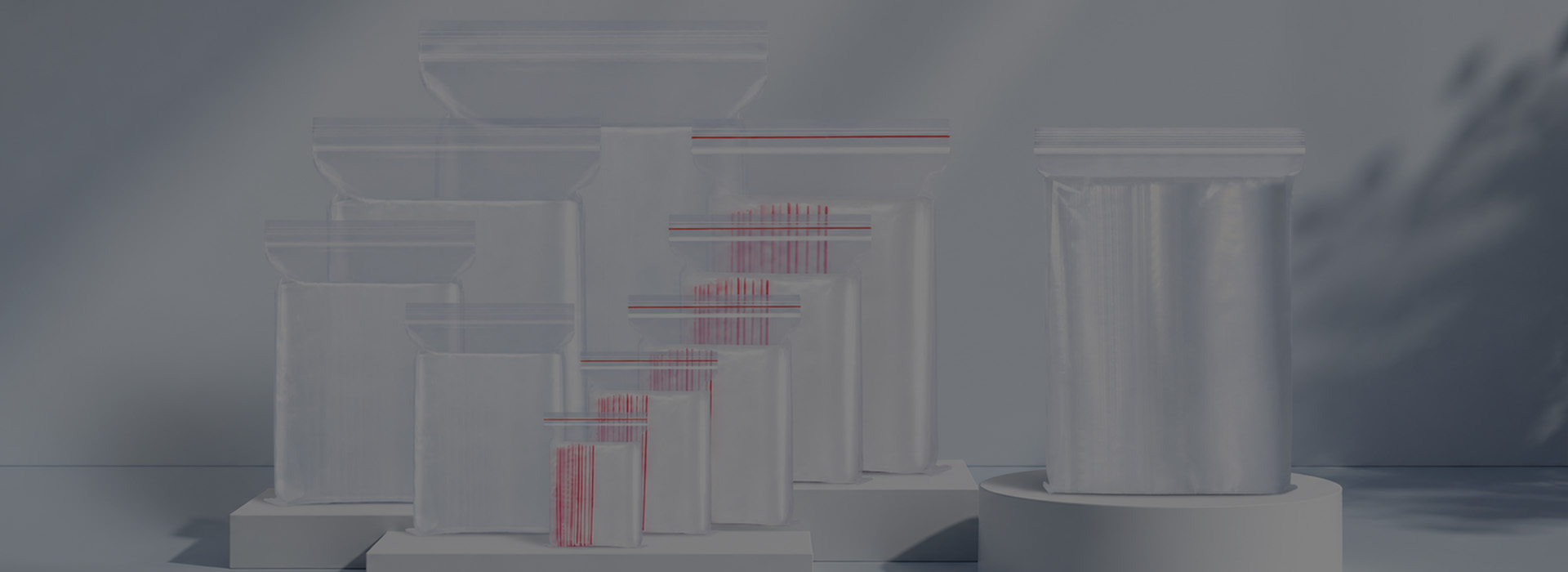
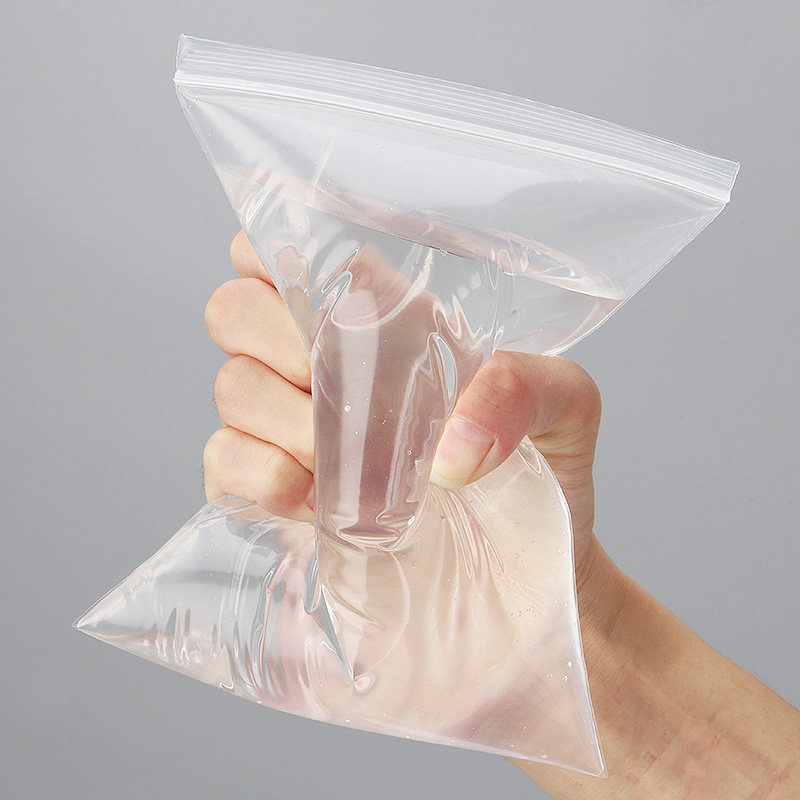
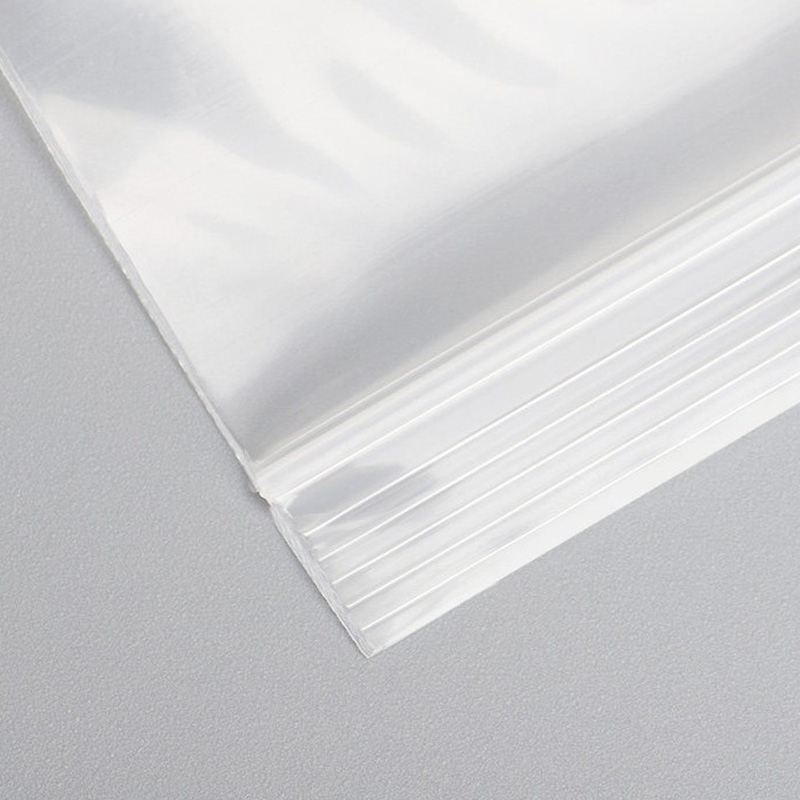
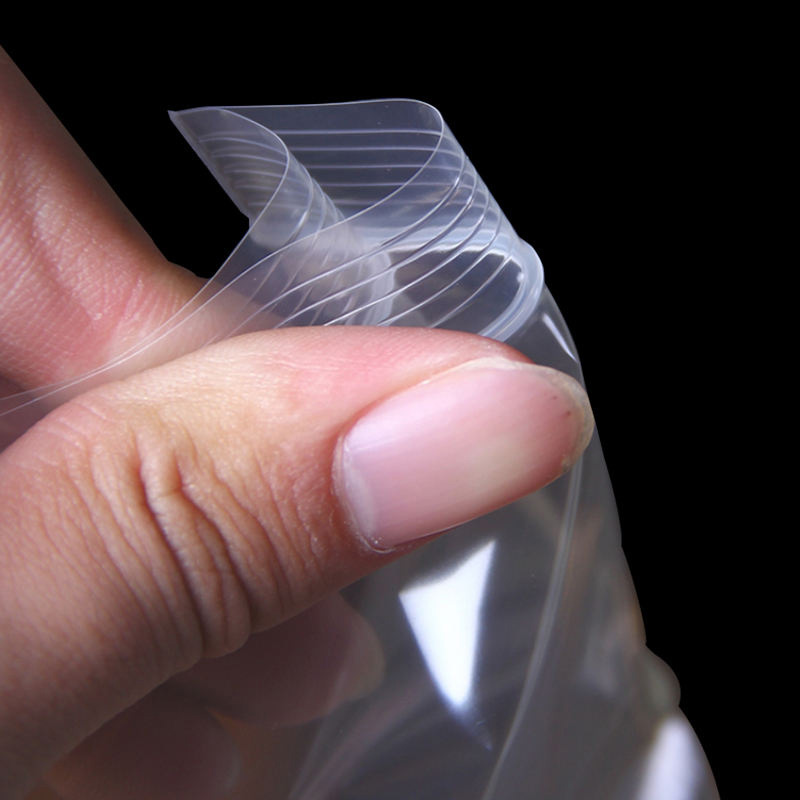
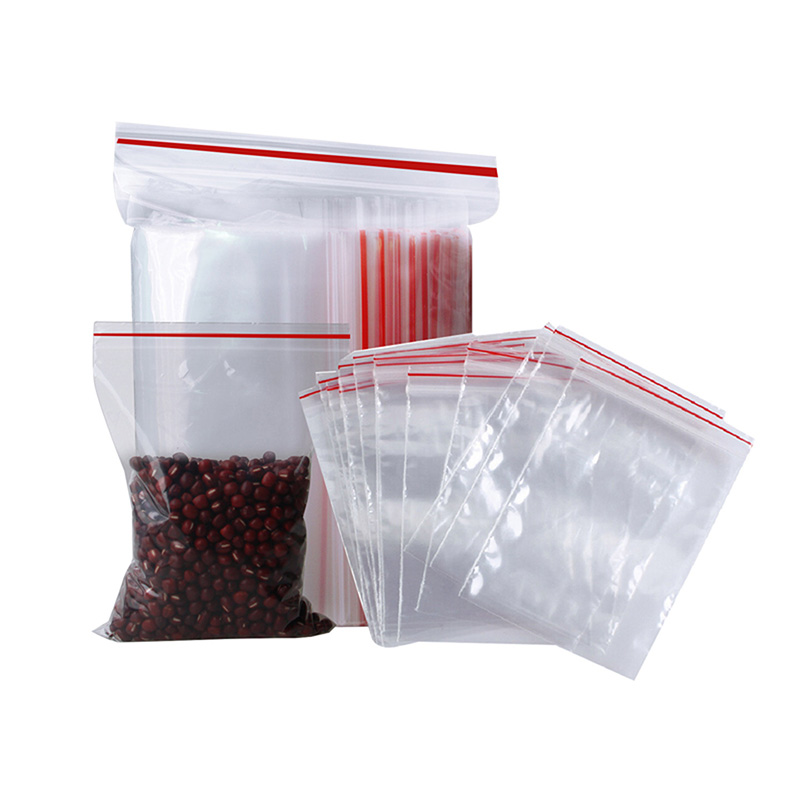
The key to a ziplock bag lies in the stability and consistency of its zipper structure; through an interlocking seal design, the packaging can be repeatedly resealed. With experienced manufacturers like STflexpack, virtually every customization requirement can be met.
- Custom Printed Ziplock Bags
- Re Sealable Packaging
- Polished Look
- Excellent Quality
- Protected From Dust Dirt And Moisture
- Suit Different Products
Customize Ziplock Bags Exclusively for Your Brand!
As experienced manufacturers of ziplock bags, we focus keenly on how our packaging performs during the actual usage phase—extending beyond just the initial sealing stage. We address potential issues related to opening frequency, storage duration, and handling methods; consequently, we fine-tune our designs around these factors. By optimizing the zipper structure, bag dimensions, and material composition, we ensure that our ziplock bags deliver superior stability and reliability in real-world applications.
Whether you need a wholesale Ziplock Bag in standard size or a custom design, STflexpack has the perfect answer for you.
Various Types of Ziplock Bags
Industrial ziplock bags are widely used for packaging everyday parts and components.
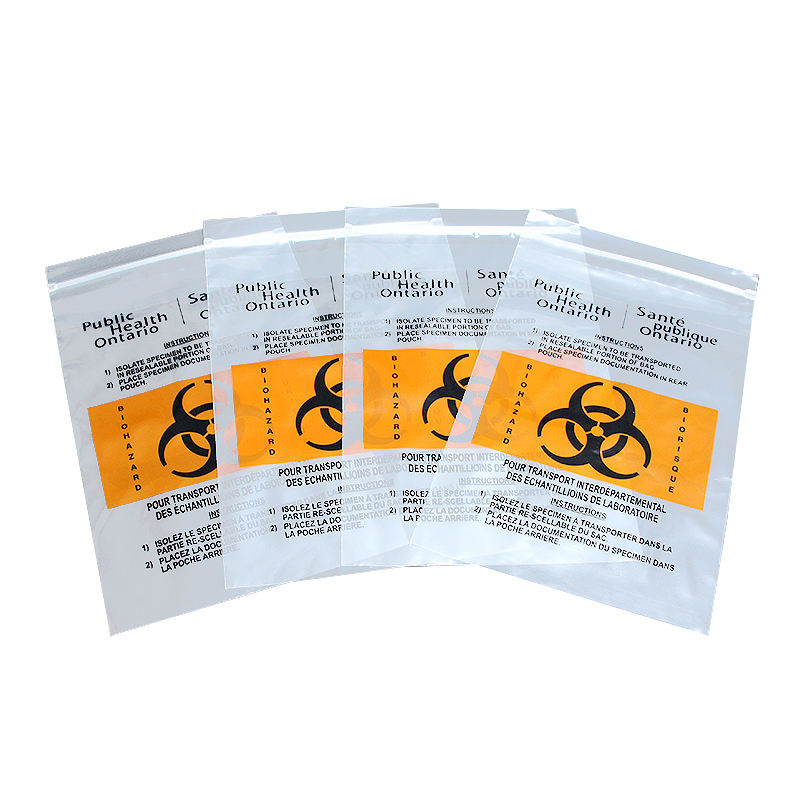
Medical ziplock bags make medical supplies safer and ensure a sterile environment.
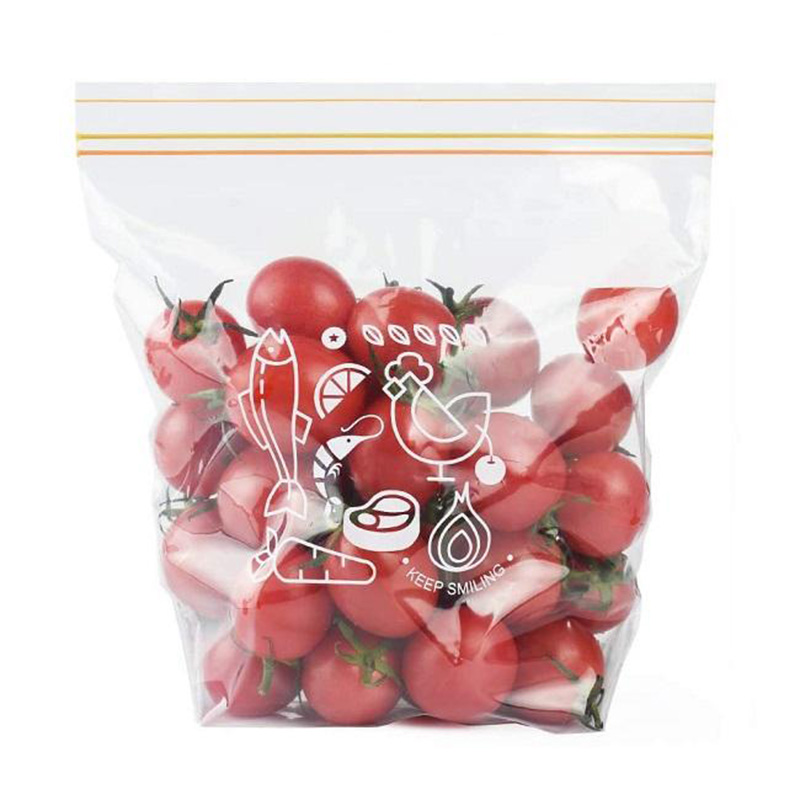
These food ziplock bags are made from food-grade materials, ensuring food safety.
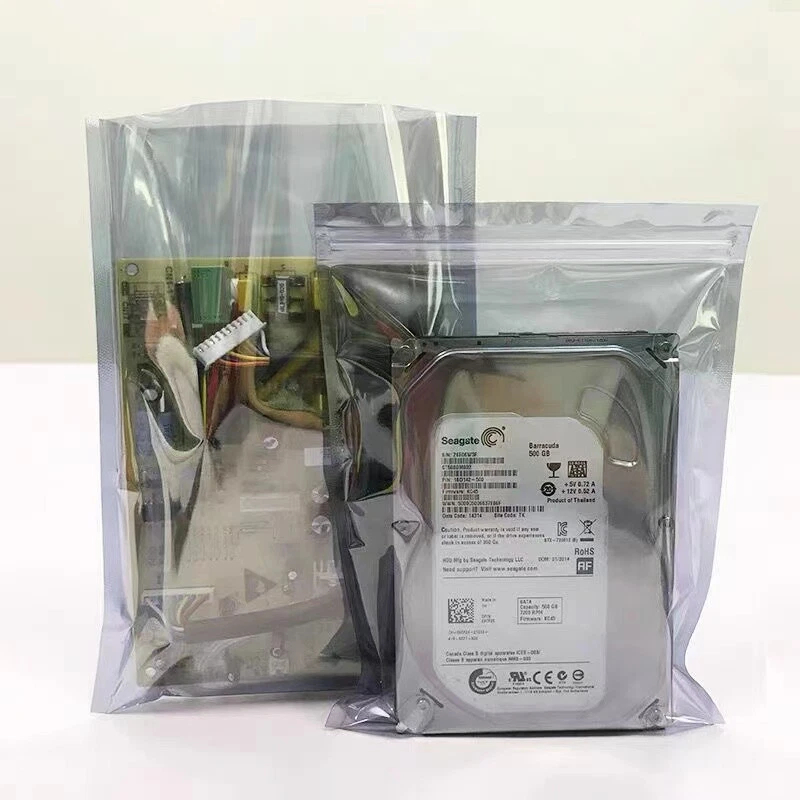
In industrial settings, anti-static ziplock bags effectively protect electronic components from damage caused by static electricity.
Ziplock Bag Material Pairing
For Ziplock bags, various material combinations can be selected based on the product type to ensure a proper match between the zipper structure and the bag body.
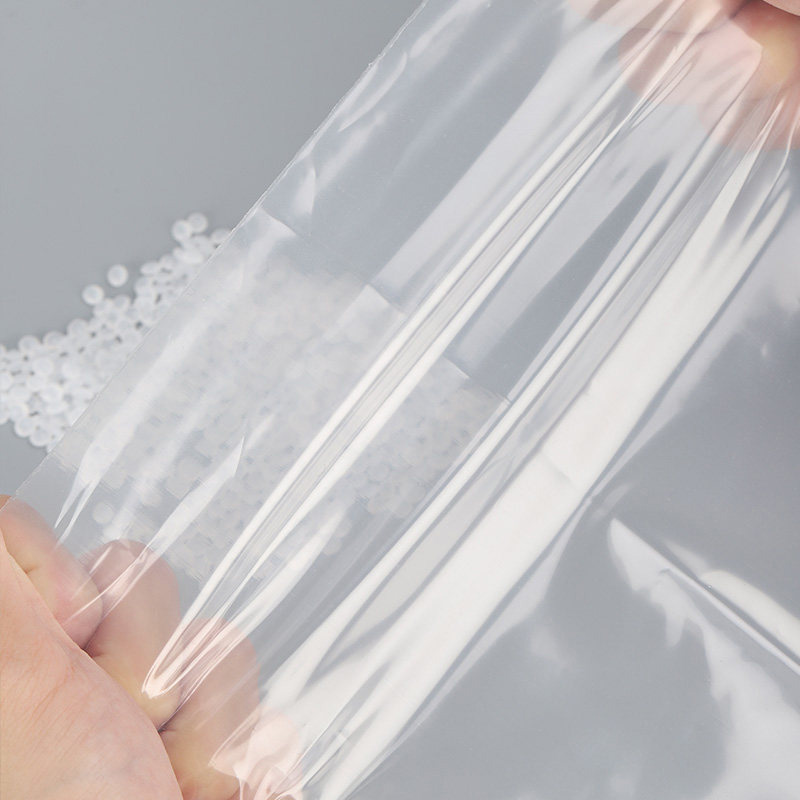
- Material: LDPE
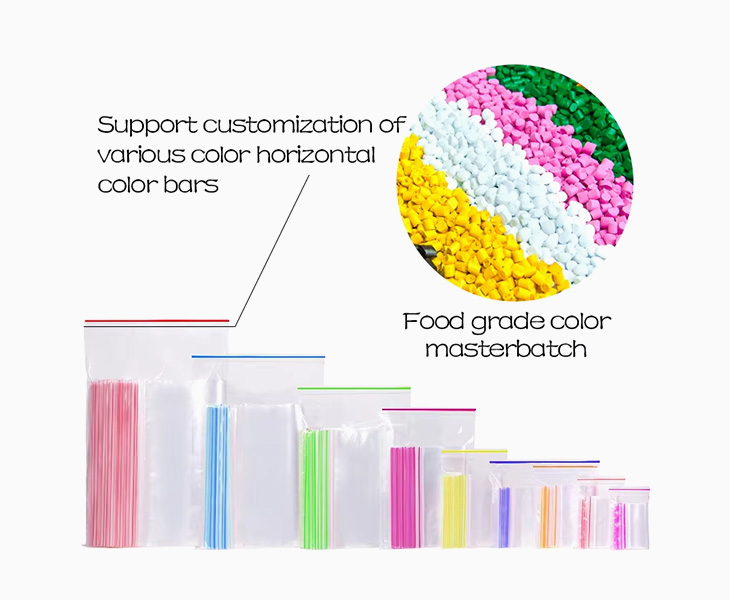
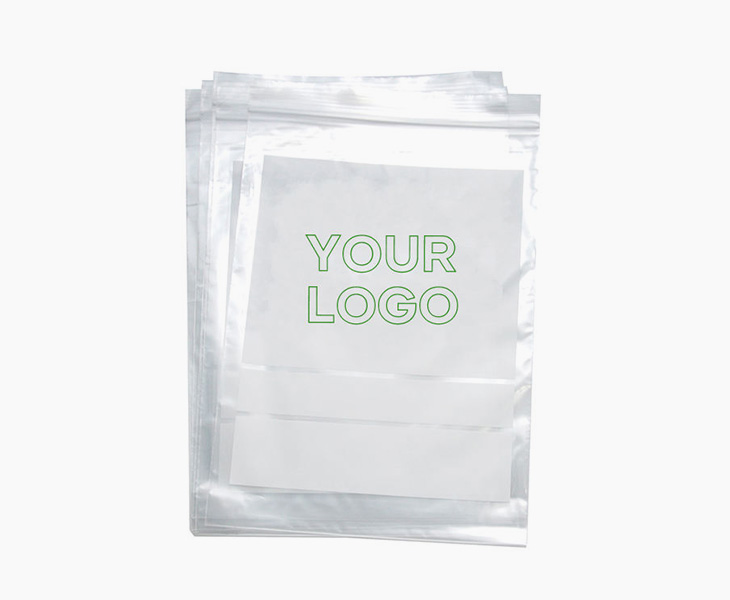
Ziplock Bag Customization Details
Ziplock bags can also be personalized and customized to suit various scenarios and items, thereby meeting the diverse needs of daily life.
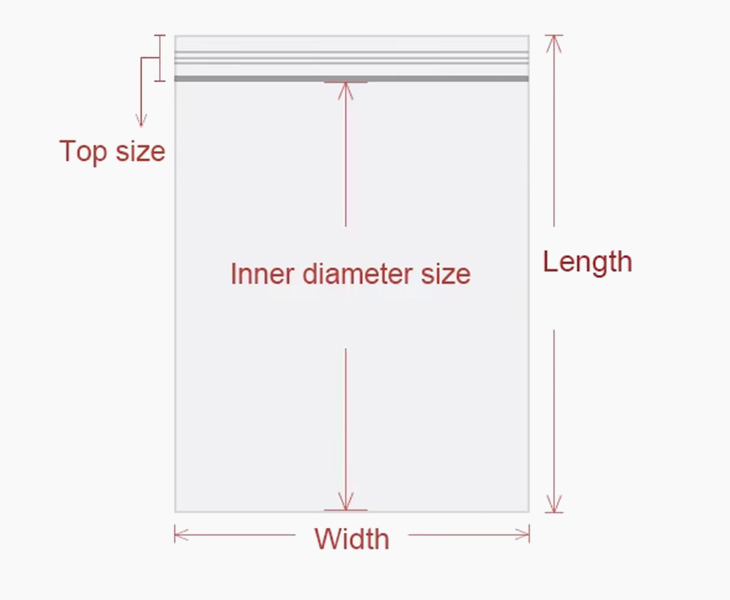
- Feature Processing: Punch Holes, Handles, Shaped Pouches
Ziplock Bag Printing Services
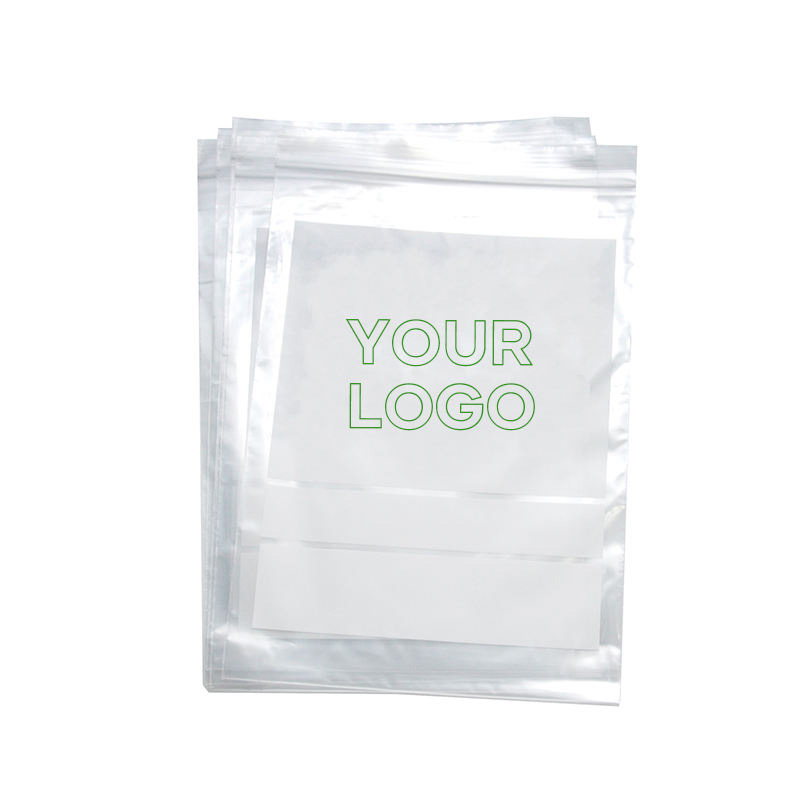
Ziplock bags support a variety of printing methods, enabling the packaging to achieve clear brand recognition while maintaining its functionality.
- Gravure Printing: This is a high-quality printing method with lower costs, but it requires the creation of templates and is suitable for large-volume orders.
- Offset Printing: Ideal for low-cost, small-batch orders while also offering the benefits of high-definition printing.
Custom Ziplock Bag Ordering Process
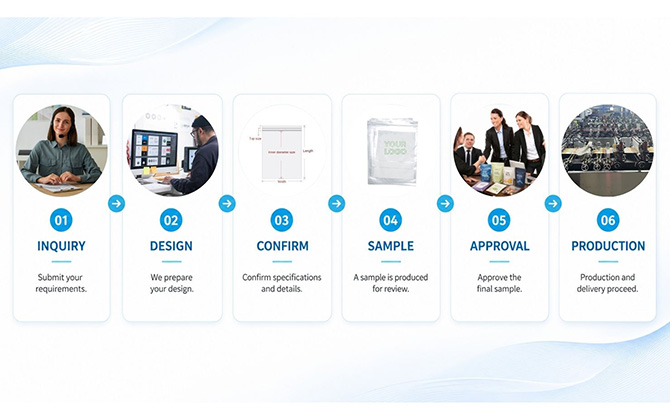
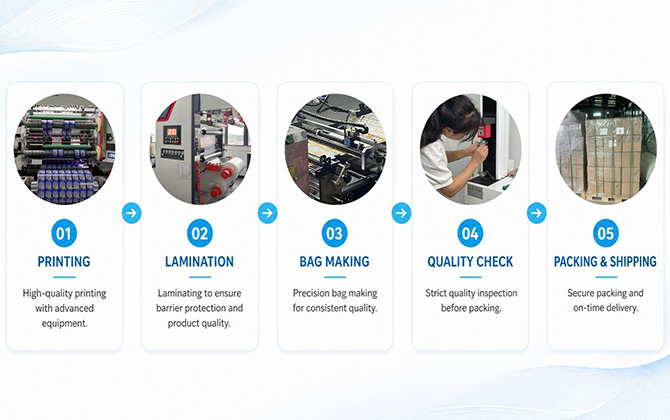
The customer provides information about their ziplock bag requirements, including size, capacity, and usage. We confirm the bag structure and zipper configuration based on these requirements. After confirming the design, we begin sample production. Once the sample is confirmed, we move into mass production. After production is completed, we conduct quality checks and arrange for shipment.
Application Areas of Ziplock Bags
In practical applications, a ziplock bag can be repeatedly opened and resealed to form a closed space, thereby maintaining the contents in a relatively isolated state during intervals of use; this makes the product more manageable throughout the processes of storage, transport, and incremental consumption.
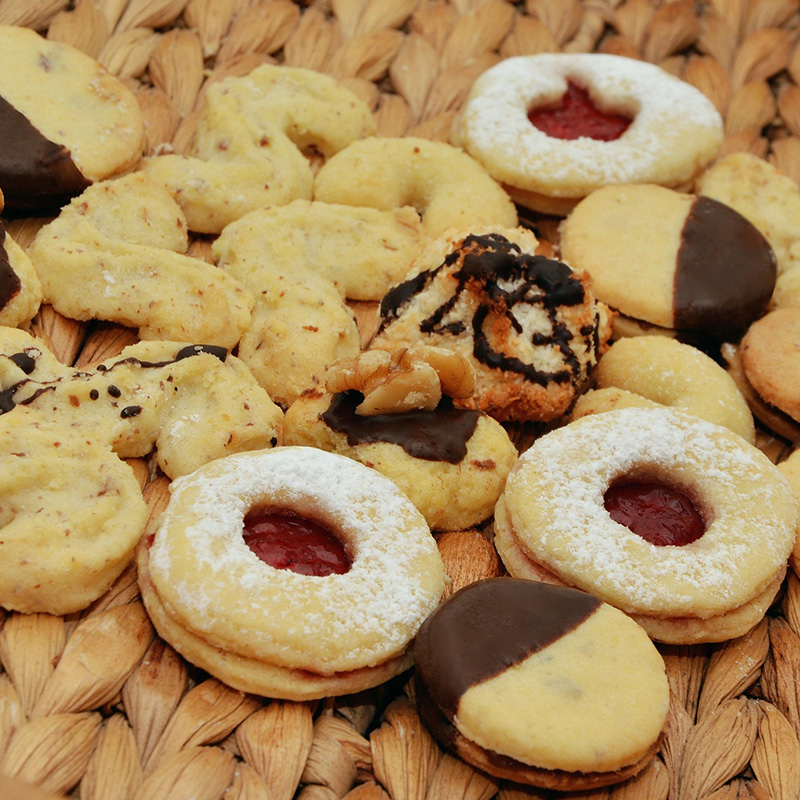
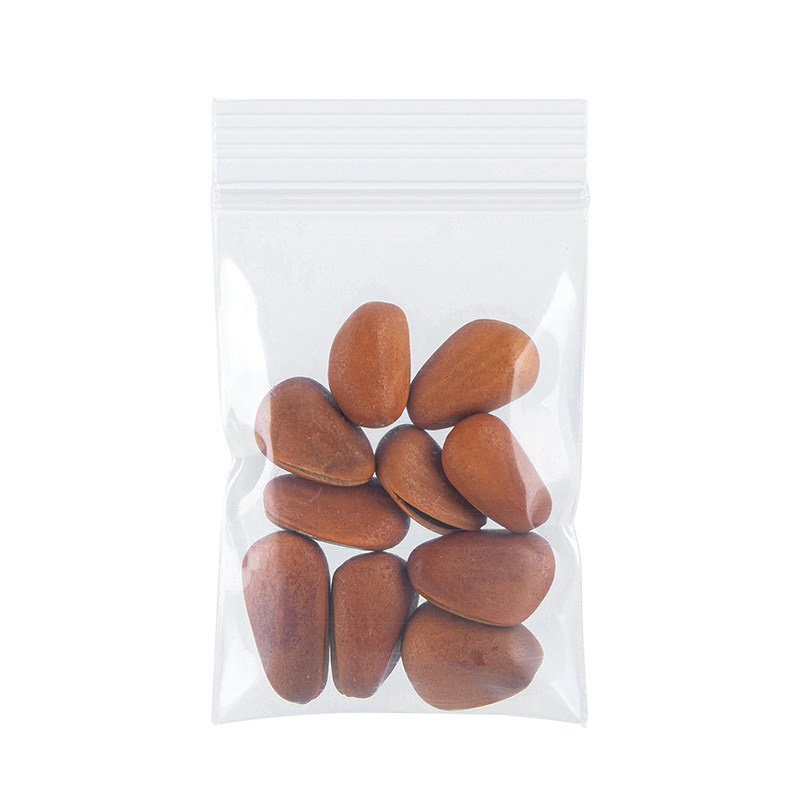
When used for snacks and food products, which are typically not consumed in a single sitting, ziplock bags allow for resealing after each opening; this keeps the remaining contents isolated and minimizes their exposure to the external environment.

For powdered or granular products—which often require being dispensed in increments during use—ziplock bags allow the packaging to be resealed after each access. This keeps the remaining product contained and centralized, thereby minimizing spillage.
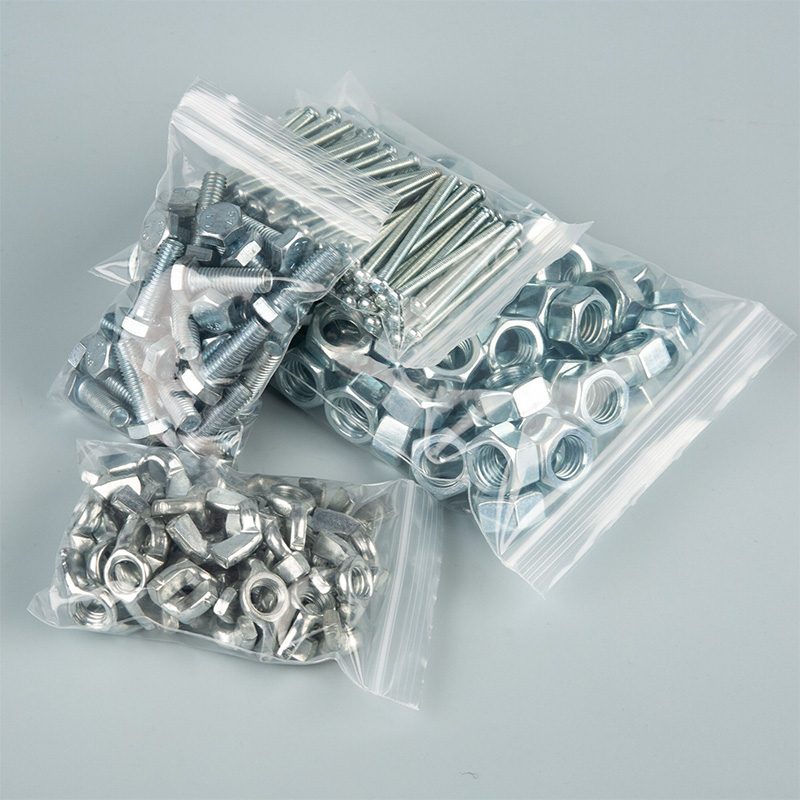
For the storage of daily necessities or small items, Ziploc bags provide a resealable enclosed space, allowing items to remain organized during storage.
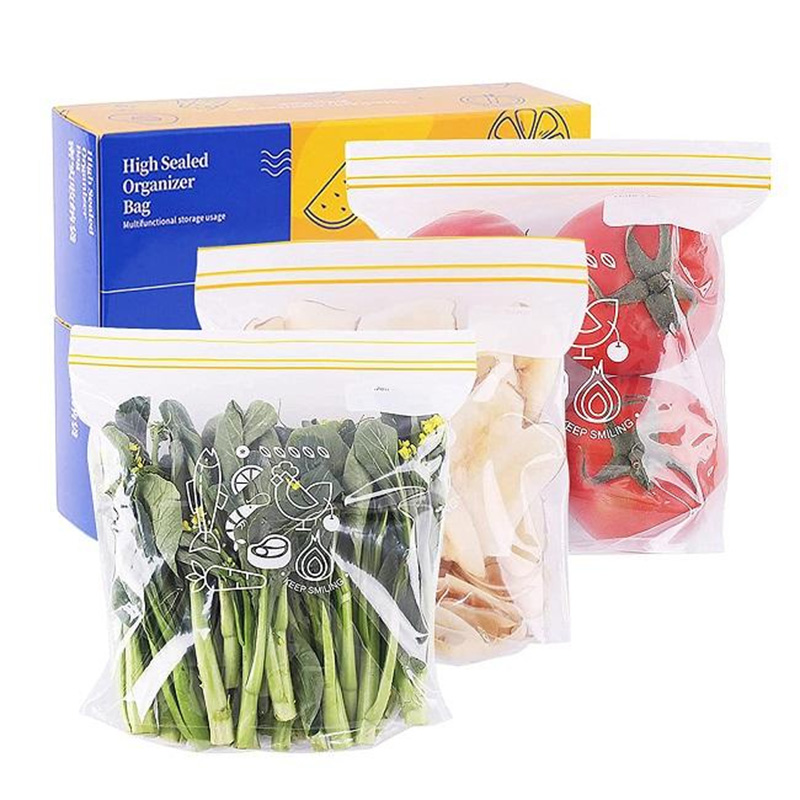
In e-commerce and repackaging scenarios, Ziploc bags can serve as secondary packaging, enabling products to retain their resealable capability even after shipment.
The weight of a Ziplock bag depends on its size and thickness. Generally speaking, small self-sealing bags (such as 100mm × 150mm) weigh approximately 1 to 3 grams; this figure is also correlated with the bag’s thickness—the larger the dimensions and the greater the thickness, the heavier the bag will be.
A Ziplock bag is not, in itself, a vacuum bag; however, a “near-vacuum” effect can be achieved through simple methods. After placing the product inside the bag, you can either manually squeeze it to expel the air, or leave a small section of the opening unsealed, slowly press out the internal air, and then quickly seal the bag.
Some Ziploc bags are suitable for microwave heating; however, you must verify that the material is food-grade and possesses heat-resistant properties (such as PE or PP). When heating, it is recommended not to seal the bag completely; instead, leave an opening to prevent internal pressure from building up.
Ziplock bags offer good sealing properties, but they typically do not constitute a completely airtight structure. While the zipper closure effectively prevents liquid leakage and air ingress, for long-term storage or for products that are highly sensitive to oxygen (such as coffee), the use of high-barrier or vacuum packaging solutions is still recommended.
Whether or not a Ziplock bag is recyclable depends on the type of material used. Bags made from a single material (such as PE or PP) are recyclable in some regions, provided they comply with local recycling policies. However, if the bag is composed of multi-layer composite materials—such as those featuring an aluminum layer or a multi-layer barrier structure—it is typically difficult to recycle.